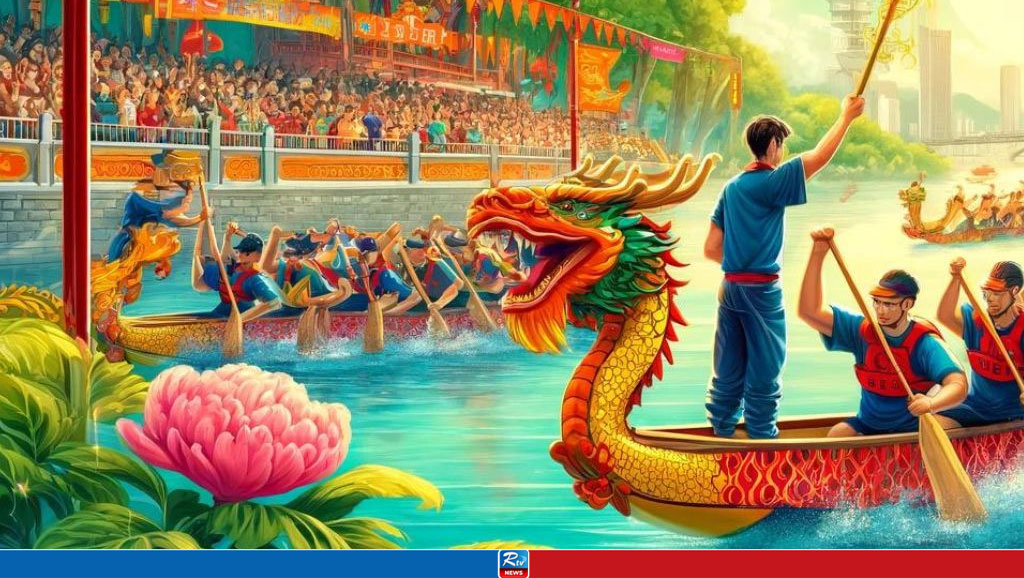
The Dragon Boat Festival, also known as Duanwu Festival, is an annual event celebrated on the fifth day of the fifth month of the Chinese lunar calendar. This festival is renowned for its vibrant dragon boat races, the consumption of traditional rice dumplings known as zongzi, and various other cultural practices. Originating over two millennia ago, the Dragon Boat Festival has deep historical roots and cultural significance. Today, it is not only a public holiday in China but also celebrated in various forms around the world, reflecting its global appeal and enduring legacy. This article explores the rich history, traditions, and modern-day celebrations of the Dragon Boat Festival, offering a comprehensive guide to understanding its importance in both historical and contemporary contexts.
History of the Dragon Boat Festival
The Dragon Boat Festival’s origins date back more than 2,000 years, with its history entwined with the legend of Qu Yuan, a renowned poet and minister from the Warring States period of ancient China. Qu Yuan was a loyal advisor to the king of Chu who fell into disfavour due to the machinations of corrupt court officials. In exile, Qu Yuan composed some of the greatest poetry in Chinese literature, expressing his deep love and concern for his country.
Devastated by the eventual conquest of his homeland by the Qin dynasty, Qu Yuan drowned himself in the Miluo River on the fifth day of the fifth lunar month. The local people, who admired and respected him, raced out in their boats to search for his body. They beat drums and splashed the water with their paddles to scare away fish and evil spirits. To prevent the fish from eating Qu Yuan’s body, they also threw rice dumplings into the river. This act of homage is believed to be the origin of the dragon boat races and the custom of eating zongzi during the festival.
Over centuries, the Dragon Boat Festival has evolved, blending various local customs and traditions. However, the core of the festival remains a tribute to Qu Yuan, symbolising loyalty, sacrifice, and the collective memory of a cultural hero.
Traditional Customs and Practices
The Dragon Boat Festival is marked by a variety of traditional customs and practices, each rich in cultural significance and history. Here are the most prominent ones:
Dragon Boat Racing
One of the most iconic activities associated with the Dragon Boat Festival is dragon boat racing. Teams of paddlers, often adorned in vibrant uniforms, row elaborately decorated dragon-shaped boats in synchronised rhythms. The races are a thrilling spectacle, embodying the spirit of teamwork and competition. Historically, these races were conducted to commemorate the search for Qu Yuan’s body, and they continue to be a central part of the festival today.
Eating Zongzi
Zongzi, pyramid-shaped glutinous rice dumplings wrapped in bamboo leaves, are a traditional delicacy of the Dragon Boat Festival. These dumplings are typically filled with ingredients such as red bean paste, dates, or meat, varying by regional preferences. The custom of eating zongzi originates from the practice of throwing rice into the river to appease the fish and ensure Qu Yuan’s body was left undisturbed. Today, making and eating zongzi is a cherished tradition that brings families together.
Other Customs
Several other customs are observed during the Dragon Boat Festival, each with unique cultural and symbolic meanings:
Hanging Calamus and Moxa: To ward off evil spirits and diseases, people hang calamus (a flowering plant) and moxa (dried mugwort) on their doors and windows. These plants are believed to possess protective properties.
Wearing Sachets: Children often wear colourful sachets filled with aromatic herbs, which are believed to bring good luck and drive away evil spirits. These sachets are often intricately embroidered and add a festive touch to the celebrations.
Drinking Realgar Wine: In some regions, drinking realgar wine is a common practice. This traditional Chinese alcoholic beverage, infused with realgar (an arsenic sulfide mineral), is believed to protect against disease and evil spirits.
These customs not only add to the festive atmosphere but also reflect the deep-rooted beliefs and values of Chinese culture, making the Dragon Boat Festival a unique blend of history, tradition, and communal spirit.
Modern Celebrations
The Dragon Boat Festival has evolved significantly over time, blending ancient traditions with modern practices, making it a vibrant and dynamic celebration.
Contemporary Dragon Boat Racing
While dragon boat racing remains a central feature, it has transformed into a highly competitive sport with international appeal. Modern races are held not only in China but also across the globe, from Asia to North America and Europe. These events attract professional teams and enthusiastic amateurs alike, fostering a spirit of camaraderie and cultural exchange. High-tech boats and well-organised events have elevated the sport to new heights, making it a thrilling spectator event.
Festivities and Public Events
In urban areas, the festival has become a grand public celebration with various activities and events. Parades, cultural performances, and fairs are commonly organised, showcasing traditional music, dance, and arts. In some cities, large-scale re-enactments of historical events associated with Qu Yuan add an educational dimension to the festivities.
Modern Takes on Zongzi
While traditional zongzi remains popular, modern variations have emerged to cater to contemporary tastes. Gourmet versions with innovative fillings like chocolate, seafood, and exotic fruits can be found in markets and restaurants, appealing to younger generations and food enthusiasts. Workshops and classes on making zongzi are also popular, providing a hands-on cultural experience for participants.
Digital and Media Engagement
The digital age has brought the Dragon Boat Festival into the realm of social media and online platforms. Virtual celebrations, live-streamed races, and interactive online events allow people worldwide to participate in the festivities. Educational content, such as documentaries and historical films about Qu Yuan and the festival, are widely accessible, enhancing the global understanding and appreciation of this cultural event.
Global Influence
The Dragon Boat Festival’s influence has spread far beyond its Chinese origins. In cities with significant Chinese communities, such as San Francisco, Sydney, and Vancouver, the festival is celebrated with great enthusiasm, reflecting the cultural diversity and inclusivity of these communities. International dragon boat races and cultural festivals attract participants and spectators from diverse backgrounds, promoting cross-cultural understanding and unity.
Overall, the modern celebrations of the Dragon Boat Festival are a testament to its enduring appeal and ability to adapt to contemporary times while preserving its rich heritage.
Significance of the Dragon Boat Festival
The Dragon Boat Festival holds profound cultural and social significance, symbolising a rich tapestry of history, tradition, and communal values.
Cultural Importance
At its core, the Dragon Boat Festival is a celebration of Chinese cultural heritage. It honours the revered poet Qu Yuan, whose patriotism and literary contributions have left an indelible mark on Chinese history. Through the festival, participants connect with their cultural roots, preserving and perpetuating traditions that have been passed down through generations.
Social Bonding and Community Spirit
The festival fosters a strong sense of community and togetherness. Activities such as dragon boat racing and communal feasting bring people together, strengthening social bonds. The collaborative nature of dragon boat racing, where synchronisation and teamwork are essential, symbolises the importance of unity and collective effort in achieving common goals. Families and communities gather to prepare and share zongzi, reinforcing familial ties and communal solidarity.
Symbolism and Meaning
The customs and practices associated with the Dragon Boat Festival are rich in symbolism. Dragon boat racing represents the struggle and effort to overcome adversity, inspired by the legend of Qu Yuan’s followers who raced to save him. The consumption of zongzi serves as a tribute to Qu Yuan and an act of remembrance, embodying themes of loyalty and sacrifice. The use of calamus, moxa, and other protective items reflects traditional beliefs in warding off evil and ensuring health and safety.
Educational Value
The festival serves as an educational platform, teaching younger generations about their cultural heritage and historical legends. Schools and cultural organisations often hold special programmes and workshops around the Dragon Boat Festival, promoting cultural literacy and appreciation. This educational aspect ensures that the significance of the festival is understood and valued by future generations.
Promotion of Cultural Exchange
In its modern incarnation, the Dragon Boat Festival promotes cross-cultural understanding and exchange. International dragon boat races and global celebrations of the festival provide opportunities for cultural interaction and mutual learning. Participants and spectators from diverse backgrounds come together, sharing their traditions and fostering a spirit of inclusivity and global unity.
In essence, the Dragon Boat Festival is more than just a historical commemoration; it is a living tradition that embodies cultural pride, social cohesion, and the enduring values of loyalty and unity. Its significance transcends borders, making it a cherished celebration both within China and around the world.
Global Celebrations
The Dragon Boat Festival’s popularity has transcended its Chinese origins, becoming a celebrated event in many countries worldwide. This global reach highlights the festival’s universal appeal and its ability to bring together diverse communities through shared traditions and festive activities.
International Dragon Boat Races
Dragon boat racing has become a global phenomenon, with races held in numerous countries. Notable locations include:
Canada: Vancouver hosts one of the largest international dragon boat festivals, attracting thousands of participants and spectators each year.
United States: Major cities like New York, San Francisco, and Boston hold significant dragon boat racing events, featuring teams from across the country and abroad.
Australia: Sydney and Melbourne are known for their vibrant dragon boat festivals, which include races and cultural celebrations.
United Kingdom: London’s dragon boat festivals, held on the River Thames, are popular events that draw diverse crowds and competitive teams.
These international events not only promote the sport but also serve as cultural exchanges, fostering greater understanding and appreciation of Chinese heritage.
Cultural Festivals and Events
Beyond the races, many cities with significant Chinese communities host comprehensive Dragon Boat Festival celebrations. These festivals often include:
Cultural Performances: Traditional music, dance, and theatrical performances that showcase Chinese culture.
Food Stalls: Vendors offering a variety of Chinese delicacies, including zongzi, bringing a taste of the festival to international audiences.
Workshops and Exhibitions: Interactive workshops on making zongzi, calligraphy, and traditional crafts, as well as exhibitions on the history and significance of the Dragon Boat Festival.
Educational and Community Engagement
Many international celebrations of the Dragon Boat Festival include educational components aimed at raising awareness about the festival’s origins and cultural significance. Schools, cultural centres, and community organisations often collaborate to:
Host Educational Programmes: These programmes may include storytelling sessions about Qu Yuan, demonstrations of traditional customs, and lectures on the historical context of the festival.
Organise Community Activities: Activities such as dragon boat building workshops, traditional costume parades, and community feasts encourage local involvement and enhance the festival’s communal spirit.
Promotion of Inclusivity and Diversity
The global celebrations of the Dragon Boat Festival underscore its role in promoting inclusivity and diversity. By bringing together people from different backgrounds to participate in dragon boat races and cultural festivities, the festival fosters a sense of unity and mutual respect. This inclusive spirit is evident in the collaborative efforts of multicultural teams, the sharing of diverse culinary traditions, and the celebration of common values.
In summary, the Dragon Boat Festival’s global celebrations highlight its universal themes of unity, cultural pride, and community spirit. Whether through competitive races, cultural events, or educational initiatives, the festival continues to inspire and connect people around the world, demonstrating the enduring power of tradition in a modern, interconnected world.



 Live TV
 RTV Plus


